
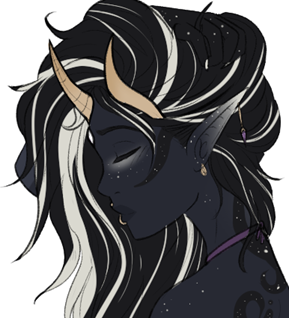
The Green Path:
Druidism
Background:
A gift from the Mother and Father, it was no wonder that the Kobolds were the first to discover the Green Path. Some believe they were guided to it by the fae, others think it was something naturally imbued in them, but the real origin of who first mastered the art and when Druidism was truly discovered by the beast-folk has long been lost to history.
The practice of Druidism has no doubt developed strong footing amongst the people of the realm, even now starting to seep outside the forested walls of the Kobolds. All are welcomed to walk the Green Path, even those who have no desire to take up the blessings provided by the Mother and Father. Should a person be true to the values of the Path, they will find themselves welcomed in the Forest beyond.
Explanation:
Druidism works through one's ability to ‘connect’ to the song and heartbeat of nature around them. A druid will use their mana, as fueled by the mana stream, to empower their blessings and communicate with flora and fauna alike. It is entirely through one’s practice of tethering to the heartbeat of the natural world that a druid is able to manipulate, mend, and utilize the world around them.
There is no doubt that the most common purpose of druidism is to tend to wildlife, protect forests and other places in nature, and to prevent blight from spreading - but one should not assume that because their duties are heal the hurt and ill that they a druid must be peaceful or docile. A gentle rainfall can turn into a devastating storm, and like this the most caring of druids must be willing to take up arms if they wish to truly follow the Green Path.
Tethering and Totems:
Becoming a druid is no easy task, not just because of the various trials and tests a druid-to-be will be expected to complete by their Mentor, but due to the toll it plays on your body and mind. When one accepts the Blessings of the Green, they are opening up their soul to a part of the Mana Stream that they have never experienced before. This act in itself is challenging and the ritual that allows such a thing to even happen must only be performed by one that has been taught how to do it properly.The process in which a soul is Tethered to the Forest’s heartbeat is strenuous on both the Mentor and their pupil. It involves a spiritual journey within the Forest itself, where the landscape will be molded and manipulated for Father to decide if the pupil is truly ready for the Blessings.
Once this final trial is completed, the pupil awakens as a freshly born Druid and with this they are given a new name: a totem bestowed to them by the Wilds. They will know this name as soon as their eyes open, and it is common practice for them to announce it to their brothers and sisters of the Green once they have come to their senses again. The name they are given is thought to be of something within the Wilds that represents them and their unique connection to the Forest beyond. It is not unheard of for more than one druid to be given the same totem, nor is it uncommon for a totem to find a new bearer after a druid has passed. One should note that all totems are representations of nature and natural concepts, thus there will never be a person given a totem such as ‘Hammer’ or ‘Cottage’.
Connection and Tells:
As all magics do, no matter their origins, the casting and channeling of a druid at work will be quite visible and easy to spot. There is no rhythm nor reason for the colors of one’s aura, nor does there seem to be any really know logic behind what causes each druid to have their unique casting tell - but it is assumed that they are tied to the soul of the druid and help in reflecting who they are as a person.
A person’s aura color can be anything, but can never be more than two similar colors at a time. Common casting tells are glowing eyes, mists swirling around a person, vines climbing their bodies, their skin casting a shimmering glow, etc.
It should be noted that a druid that has reached mastery (having reached t5) will no longer need to connect to the heartbeat of nature, they will be able to maintain a passive connection at all times. With that said, should a druid seek to use any other magic they will have to disconnect from the heartbeat to focus on their other magics, and reconnect once they are done. Due to this passive connection, all t5 spells lose the need to do a connection emote.
The Weight of the Path:
Such a massive task as Druidism is, and the expectations of those who walk the Path, would undoubtedly leave some lasting effect on the mind of the Walker. Once they are able to hear the Heartbeat, the druid will feel the pull of nature - the call to it. They will feel the desire to protect, guard and serve it. Some druids will feel this beckoning stronger than others, but all druids feel it to some extent. It is not uncommon for druids to find themselves feeling uneasy in developed areas where there is limited nature, as the song would be hushed within these stone and mortar places.Beyond this, the druid has expectations from the Father - and should they break the few rules he has for them, they may find their connection to the Wilds severed.
The Tenants of the Green:
“Walk Forever the Path; once one is devoted they should not forget their duties to the Green. The Wilds and the Cycle should come before all.”
The Father expects his children to devote themselves to their duties, to do all they can to protect the wilderness and the beasts within it. This does not mean that the Father will expect his children to not have normal lives, for living as one would normally - being wed, serving a nation, having a family - this is a part of the life cycle of many of his children, and he knows this.
“Seek not to harm the Green or Wilds; welcome no blight to my forests or seas. Cleanse the sickness that would seek to throw off the Cycle.”
It is the duty of all druids to tend to the wilds and protect them. Never should they be the cause of blight, corruption or taint to the land, flora or fauna.
“Feed from the land, as the land will one day feed from you - but do not take more than you need. Do not kill for sport, do not toil the soil until it is barren and dead.”
All creatures eat, the Father’s children are no exception to this. He does not expect them to starve or to eat only plants to survive, he simply expects them to cherish life and not take more than what is required. Hunting for sport and not to survive is frowned upon, and all parts of the slain animal should be used.
“Of all creatures to roam my forests, the Fae are the eldest and most imbued with my and the Mother’s Blessing; they are sacred and should be treated with wary respect.”
Every creature and plant within the wilderness should be respected, but the Fae hold a special closeness to the Father and the Mother. They should be respected, though they should also be kept at arm’s length. The Fae are curious, mischievous and embody what it means to be truly Wild.
The Blessings of the Green:
The Green Way:
For longer than anyone who walks this realm now can recall, there have been people walking the Green Path - some without a single blessing bestowed upon them, while others were able to discover the heartbeat of the cycle and commune with it to gain the Father and Mother’s Blessings. At the core of all that is druidism, all that they have come to be able to do and the things they have mastered, is the Green Way. These spells are the foundation in which all later blessings are built, and without them a druid will never truly be able to master their craft.
“Until you are one with the Green, you will never find the Path open to you; the secrets of the Wilds will forever escape your grasp… The Ever-Watchers know who devotes themselves fully, and they are the ones who whisper into our Father’s ear.”
-
King Arowyn Everglow
Druid of the Elder Oak
Connection
This is the very core of all druidic spells, for without being able to connect and commune with nature around them a druid would not be able to utilize any of the other gifts or hear where nature is directing them to go. It is through their connection that a druid will hear the heartbeat of nature itself and be able to direct their flow of mana into other spells and blessings.Mechanics:
Through meditation and practice a druid will be able to tune into the song of nature and find the very heartbeat of it around them, this is a quick process much like arcane magics; through focus they are able to connect. A young druid will struggle to maintain this open door with nature, and will more easily lose focus during their first two tiers of study. By the time they have mastered all of the Blessings of the Green, they will be able to constantly maintain this connection and continually commune with the song.Green Speech
This blessing is one that allows a druid to not only hear the voices of the plants and animals around them, but be able to speak back through their connection to the heartbeat of nature. It is vital for those following the Green Path to learn to hear the voices of nature around them as to see what is needed of them, and Green Speech is exactly the answer to this.Mechanics:
Green Speech works on both flora and fauna alike as they are both tethered by the mana stream itself much like the druids speaking to them. The voices of these creatures and plants will be challenging for a new druid to tune into, but with practice and time this action will come as naturally as common speech.Connect [1] -> Tune into Voice [1] -> Communicate [X]
Green Speech is vocal, spoken words to the beast or plant in question, and so any druid within the area will be able to speak with them at the same time. This allows group communication and open dialog with the creature or plant in question.
The Break Down:
o- At t1 a druid can only speak to small plants (little flowers, grass, etc.) and very small creatures such as insects and tiny mammals such as mice within a 2 meter radius.
o- By t2 they will be able to speak to medium plants (shrubs and large flowers) and small creatures that are no bigger than domestic cats within a 4 meter radius.
o- Once at t3 they can commune with large plants (simple trees) and medium creatures no bigger than the mundane wolf within a six meter radius.
o- By t4 they have mastered the ability to speak with all fauna and flora within the normal distance their voice can carry.
Molding
It is not the way of the druid to force nature to do as they please, but they can ask it to shift and move for them. Through Molding, a druid may have a plant shift itself into abstract shapes or cause roots to pull obstructions out of their way.Mechanics:
This blessing is often used as a way to work with nature to shape homes, items and other things without causing damage to the plants themselves. Through communication and direction, a druid will be able to guide the various flora to do as they need them to.The Break Down:
o- At t2 a druid will be able to use roots to move very small rocks, or have vines twist together into a weaved pattern. They have limited control due to their weak voices within the heartbeat.
o- By t3 a druid can work with nature to have trees drop branches, flowers drop their blooms, and have roots and vines lift medium sized rocks (about the size of a domestic cat).
o- Now at t4, a druid can have trees push out abstract shapes from their trucks, without damaging the tree itself - this could be a box or perhaps part of a bow. They can easily move larger stones to clear paths or make simple structures.
o- Finally at t5, a druid has built their connection and bond with nature to the point they are able to be far more creative and flexible with what they need the plants around them to do. There is little limit to the available options at this stage, so long as whatever the druid is requesting of the flora does not hurt nature, the plants are likely to do what is asked of them. This can be moving stones to construct a humble home, to block a path with twisting vines, or something as simple as making a flute fall from a tree’s branch.
Redlines:
o- This is a non-combative spell; it requires too much focus to be attempted in combat.
o- So long as you are not hurting nature/going against the ways of the Green Path, you are able to do quite a lot with this spell.
o- This spell is extremely free form and thus does not have a locked emote count.
Vitality
Perhaps one of the most desired of the blessings of the druid, Vitality is what allows a follower of the Green Path to bolster the very soil and aid the growth and flourishing of flora. It has long been sought out by gardeners and farmers alike to add a little boost to the liviness of their flowerbeds and crops, but is more commonly used by the Druid to aid in replanting and renourishing forests.Mechanics:
Through focusing their mana into earth or the very plant they are working with, they are able to aid in rapid growth.Connect [1] -> Focus/Tune in [1] -> Grow
SIZE CHART FOR EMOTES:
Small = 1 emote
Medium = 2 emote
Large = 3 emote
The Break Down:
o- At t1 a druid can only focus on soil within a small radius around them, and will only be able to aid in the slight growth of simple small plants such as flowers. They will be able to work in a 1 meter radius of themselves, and will be able to aid in about an inch of growth at a time. This spell will quickly tire out a young druid. When fertilizing soil, the druid will only be able to bolster 1 meter of earth.
o- By t2 they will be able to work within a 4 meter radius around themself, allowing them to fully grow a single small plant and enrich 4 meters of earth.
o- Once at t3 they have moved on to being able to work within a 6 meter radius around themselves and are able to grow multiple small plants or one medium plant per session.
o- By t4 they are able to work within a 8 meter radius, enriching that entire space if they so wished. They can now effortlessly grow small plants with little limit and are able to easily grow a few medium plants in a session.
o- Finally hitting t5, the druid has a total of a 10 meter radius in which they can work and fertilize. They can grow small, medium and large plants but growing something as grand as a full tree will be unlikely to happen in one session unless the druid has aid from another druid. They are able to assist trees in their growth at this final stage on their own, they simply cannot get it to its maximum size on their own due to the massive size these plants are able to reach.
Redlines:
o- Vitality can only be used on soil and flora; it would do nothing for fauna should a druid attempt to cast it on them.
o- It can only be used on soil that is capable of growth and so it will not work on dry, cracked clay beds or barren sandy deserts.
o- This blessing can not be used on Spriggans.
Fae Lights
A curious blessing and one that exists naturally in the world without the aid of the druids, Fae Lights are a common occurrence in forests where fae live - but that does not mean they can not be found in other environments all over the world.When it comes to the druid’s use of Fae Lights, they have learned to harness it and conjure it forth as a natural source of light that does not risk setting the flora around them on fire.
Fae Lights are mesmerizing and enchanting to watch glisten and float in the air, so much so that they are thought to lure people to follow them. This is a common misconception and honest mistake, as another source of fae based light - Fairy Fire, does just that.
Mechanics:
This is perhaps one of the easiest blessings a druid can muster up, but due to its connection with the fae realm it is not one a person new to the Green Path will be able to cast. Once they have built up their connection to the Forest and the Heartbeat, a druid will be able to manipulate their mana into an entirely new form. This altered mana is condensed down and carries the undeniable energy of the fae.Out of Combat:
Connect [1] -> Cast [1]
In Combat:
Connect [1] -> Focus [1] -> Cast [1]
The Break Down:
o- At t2 a druid can cast Fae Lights for the first time but they will only be able to make a ball of light that is able to float either above their hand or directly next to them. This light will be dim and can only light up a 2 meter radius around them. As soon as the druid stops focusing on the light, it will fade out from existence - not quite strong enough yet to remain on their own.
o- Once at t3 the Fae Light will be a little stronger, able to light an area of 4 meters around the druid. It will now be able to float freely next to them and doesn’t need to be the primary focus of the druid. It won’t be able to last forever, only lingering for about 8 emotes.
o- At t4 the druid is now able to cast a Fae Light that is able to light a 6 meter radius. Their light will now stay for a total of 10 emotes. It will follow them around but has to stay within 2 meters of the druid casting.
o- Finally at t5 the druid has the option to make permanent Fae Lights that can light as well as a lantern. They are also to dismiss this light if they so choose and make the light stay in one place if they so desire, rather than having the light follow them. There is no limit to the range the druid can be from this permanent light fixture as it does not require the druid to remain lit any longer.
Fae Imbuing
This is a sacred gift and ritual for the druid, one that allows them to create a space in which they are more easily able to commune with the Forest and the realm of the Fae - the Wilds. Being something that requires a druid of complete devotion and mastery of the Path, only the most elder of the Walkers can complete this ritual.While this blessing is mostly used to create simple small Fae Circles for druids to rest and meditate within, it has the ability to be used to fully alter patches of land and create Fae Touched spaces. These spaces are vital for the Fae to be able to survive and communicate with druids and nature.
Mechanics:
The process in which a druid makes a Fae Ring is a bit different than how they would go about actually imbuing large chunks of land into being Fae Touched. Making a Fae Ring is far less time consuming and less exhausting to the druid and can usually be done in one sitting, whereas Fae Touched land will require at least one other druid to be able to imbue even just a small patch of land in one session.Fae Ring Creation:
Connect [0] -> Tune In [1] -> Focus [1] -> Cast [1]
Fae Touched Land Creation:
Connect [0] -> Tune In [1] -> Focus [1] -> Cast [1]
Redlines:
o- This ability can only be done by t5 druids.
o- Fae Rings and Fae Touched lands have to be LT signed; please provide screenshots for staff when creating your ticket to have them signed and have you MA/TA ready to be reviewed.
o- A druid must be taught how to cast Fae Imbuing, it is not able to be self taught.
o- This blessing can not be done in combat due to the level of focus required; if the ritual is interrupted it would need to be restarted.
Tethering
A blessing that takes an elder druid and turns them into a Mentor, Tethering is the act in which a druid guides their pupil into the Forest and aids them in tethering their soul with this new current of the Mana Stream. It is a sacred ritual that often has quite a celebration around it. Some druids view Tethering as being ‘born anew’, claiming that when you awaken from the deep sleep you will feel a new drive to carry out your duties with all that you are.Mechanics:
Tethering requires the Mentor to sit with their pupil and lay a hand either on them or over them. Through this act, the Mentor will focus on guiding the mind of their student into the Forest, where the Father and Mother await to judge them.A vision usually follows the act of falling into a magically induced slumber; it is in the vision that the pupil will have to face themselves, their fears and doubts, and come to the conclusion as to if they are truly ready to take on such a massive burden and duty.
The Break Down:
o- There is no Emote Count for Tethering; this is a free form ritual.
o- The pupil will pick their own totem name.
o- The Mentor is the one guiding the vision, albeit IRP they are not; they are simply bringing them to the forest where the vision will take place.
Redlines:
o- This is a non-combative spell; should the ritual be interrupted it would need to be restarted. The person being Tethered at the time will experience a brief moment of being dazed that lasts 1 emote; the Mentor will not have this same effect.
o- A druid must be taught how to cast Fae Imbuing, it is not able to be self taught. It needs to be marked on their TA that they have learned this spell and it has to be confirmed by an LT.
o- The Mentor will not know what the vision is of IRP, though they are the ones hosting the vision for their students.
Nature’s Wrath:
“We must be as the mother bear is to those who would threaten her cubs; we must be as the lioness is to a strange outsider within her pride - we must be savage at times to protect what can not protect itself.”
-
Behruun
While many think of druids as gentle, kind and free spirited people, a druid is far more than this. They must go beyond preaching, beyond spreading the Green Way, the Path. A true druid knows that their duty is to protect the Green, to ensure that the cycle is never broken, and to protect the woodlands and wilds from those who would seek to harm it. It is in this that the Walker will embody Nature’s Wrath and show the world how fierce the wilds truly can be.
Entangling Vines
One of the first blessings taught to a young druid as a way to protect themselves, Entangling Vines allows a druid to call upon roots or vines to ensnare their foes and trap them in place. This useful spell ensures a quick get away, or that their target is kept still for a follow up strike.Mechanics:
Entangling Vines requires a druid’s full focus to cast, meaning they can not summon these aggressive roots or vines while moving. The Walker must commune with the roots they intend to pull from the soil and will them to grasp the target in question. The vines summoned from the earth, or even trees, will be able to grasp a moving target - so long as they are not mounted. In the case of the target being upon a mount, the vines would instead target it.Connect [1] -> Tune in [1] -> Commune [1] - > Cast [1]
The Break Down:
o - This ability can be taught at t2 but can only hold the target in place for 1 emote.
o - By t3, the target can be held for up to 3 emotes.
Redlines:
o- The vines can hold a target in place while in combat for up to three emotes, outside of combat they can hold a target in place indefinitely.
o- Vines are able to be cut/broken by a sharp bladed item like a sturdy dagger or sword.
o- If the casting druid is interrupted they will have to start over; if they are knocked unconscious after the vines have been placed, the vines will weaken and will only take a single emote to break free from.
o - This spell only prevents the target from moving; they can still react with their arms, but can not move from the space they are trapped in.
Overgrowth
Not dissimilar to Entangling Vines, Overgrowth is a simple but extremely useful spell for a druid to utilize. Whereas Entangling Vines captures the target and insares them, Overgrowth takes a more aggressive approach. From the earth jagged, sharp roots will erupt - aiming to pierce anyone or anything in their path, causing devastating damage to an unarmored foe.Mechanics:
Connect [1] -> Tune in [1] -> Commune [1] -> Cast [1+]
The Break Down:
o - Overgrowth can be taught at t3, though the area where the vines would protrude from the earth would take up only a 2 meter radius and will remain for only 1 emote.
o - By t4 the time in which the sharpened roots can be maintained increases to 3 emotes though the space is still a 2 meter radius.
o - Once at t5 the druid will be able to fill a 3 radius area with these jagged roots and maintain it for up to 3 emotes.
Redlines:
o- The roots that are summoned are able to be cut/burned like any other strong wooden root
o - These roots would be able to easily puncture a person who is not wearing any armor at all, they would break through cloth armor much the same. Leather would take minor piercing damage as if the target were being struck with an arrow or blade. Plate armor would not be pierced unless the joints were hit directly; though the force of the roots would cause a person in plate to stagger and could potentially dent the armor being worn, leading to brushing and minor fractures.
Swarm
Druids may find themselves in situations where their connection and ability to communicate with the animals around them can give them a substantial leg up in a conflict. By reaching out to the small creatures and sometimes even insects around them, a druid can request aid in the form of a sudden mobbing swarm! While the creatures that come forth are small, they can be a savage advantage to the druid in combat.Mechanics:
Calling out to the wilderness, much like a druid would normally when using Green Speech, the Walker will be able to beckon forth their unexpected aid. This means the druid must vocalize their call for aid in order to have the swarm come to help them.
Connect [1] -> Commune [1] -> Cast [1]
The Break Down:
o - A druid learns this ability at t1 but is only able to summon forth the aid of tiny creatures (mice, insects, etc.) at this stage.
o - By t2 the druid will be able to call small sized creatures to come to their aid.
o - Due to the way this spell works, a druid must vocally call out to the animals to come help them - as the druid is using Green Speech to beckon them forth for aid.
Redlines:
o - All creatures that are summoned to aid the druid in this spell will be considered tiny to small in size; this means a druid can not request the aid of a pack of wolves or a flock of eagles.
o - No more than six small creatures (squirrels, chipmunks, bats, some snakes, etc.) or 15 tiny creatures (insects, mice, etc.) can be swarmed at a time.
o - No creature that is summoned can be venomous.
o - The call for a swarm has to be a verbal request and can not be done in a whisper as the creatures will not be able to hear it.
Moonflare
Druids are far more than their kindness and eagerness to aid; they embody more than their Father’s gentle touch. Those who walk the Path carry the fury of the Mother as well, and by channeling her blessings and focusing on this they are able to call down a powerful moonlit beam of light to burn and sear their foes.Mechanics:
Wrath is a useful tool to the druid, and by focusing on the mysterious might of the fae’s fire and condensing it down into a beam, they are able to call down this stunning though wicked display of fae magic. Working with fae energies requires the druid’s full focus.Connect [1] -> Tune in [1] -> Channel [1] -> Cast [1]
The Break Down:
o - A druid can not learn this ability until they are t3, this is due to the level of understanding and concentration required to channel from the fae realm and focus their energy into such a powerful beam.
o - At t3 a druid’s Moonflare will smite a 1 meter radius.
o - While at t4 the radius the Moonflare impacts is now a 2 meter radius.
o - Having mastered Moonflare, a t5 druid is able to strike down a 3 meter radius with Moonflare.
Redlines:
o- Moonflare will not set flora ablaze, but can singe the earth slightly; it can still be used against Spriggans and work just as well as it would against any other race.
o - A direct hit from Moonflare will cause instant second degree burns, if you are grazed by the beam it is only first degree.
o - Moonflare can not be used to set anything on fire; once the beam is summoned it immediately dissipates and only leaves a scorch mark behind.
Fae Fazed
The Fae are curious, whimsical and mischievous creatures, this is something any druid would know well - and something they have learned from over the years. Fae Fazed is a druid’s attempt to copy the dazzling and stunning lights the fae will use to paralyze their targets; while what a druid has managed to create is not as potent as a true fae, it is none-the-less a useful spell for the Walker.Mechanics:
Using what they have seen before, a druid will mirror the dazzling lights displayed by the fae in a quick short burst. These lights are projected from the palm of the Walker and last only a few seconds but will affect anyone looking at them directly, besides the casting druid. The colorful display can and often appears in many colors all at once, in abstract fashion to dazzle and daze the target.Connect [1] -> Focus [1] -> Cast [1]
The Break Down:
o - Due to the nature of this blessing, a druid can not learn Fae Fazed until they are t2.
Redlines:
o - The stun caused by Fae Fazed lasts only 1 emote followed by 2 emotes of blurry vision - this is not complete blindness, but will hinder the person affected from being able to attack or flee efficiently.
o - This spell does not cause any permanent damage to the eyes of the target.
Nature’s Cry
The roar of the wilds is something that all druids have become used to; the song, the heartbeat, the voices, they are the norm to those who walk the Path - but these many noises take time to get used to. While many druids can not picture a second without the chorus of sounds they have come to know, others who are not Walkers would find the sensation far too much to bear if it were suddenly thrust upon it: this is the goal with Nature’s Cry.Mechanics:
Keeping in mind the overwhelming sensation of hearing all of nature’s voices around them for the first time, a druid can briefly inflict the mental effect they are now so accustomed to onto someone who is not. In doing so, they buy themselves a few fleeting moments while their target is deafened and dazed.Connect [1] -> Tune in [1] -> Focus [2] -> Cast
The Break Down:
o - Due to the skill required to be able to project one’s blessing onto another, even if it is only for a few short seconds, a druid will be unable to learn this spell until they are t4.
o - The stun caused by Nature’s Cry is a true stun, leaving the target vulnerable and dazed. They will be unable to defend themselves or attack during this time. The stun lasts 1 emote, where they are unable to move or react. This is followed by 1 emote of recovery and 2 emotes of deafness: 1 emote stun + 1 emote recovery/deaf + 1 emote deaf = 3 emotes where there is some effect of the spell remaining on the target. During the second deafened emote, the person will be able to react, attack and move as they normally would.
Redlines:
o- Nature’s Cry does not work on fae creatures or other druids.
o - This spell does not do any permanent damage to the target, they will suffer no lingering effects once it has worn off.
o - Nature’s Cry is not a projectile, so long as the person casting has line of sight, it will work. Hiding behind a wall, boulder, etc. would break LOS.
Bark Skin
While everyone wishes to be prepared for anything when they leave the safety of their homes, the reality is the wilds and the world is unpredictable. This fact is why Bark Skin has become an important staple spell to the traveling druid. Quick to cast, and effective as a temporary armor substitute, Bark Skin will help ensure the druid gets to live to see another day.Mechanics:
This fast casting blessing does not work as a proper long term replacement to armor, but will aid in sudden conflict to prevent what could be a devastating blow from doing full damage on the person it was casted upon. Bark Skin can be applied to the druid casting the spell or onto another person nearby, no matter if they are a druid or not.Bark Skin toughens the person’s natural flesh, making it as strong as the most dense of woods and taking the majority of damage that would have been caused if a successful blunt, stabbing, or piercing strike were to have landed on the one blessed. While they are affected by the spell, their skin may take on an illusionary appearance of natural bark.
Connect [1] -> Focus [1] -> Cast [1]
The Break Down:
o - This simple spell can be cast by a druid at t2, at this point they are only able to use it on themselves and it will only last a single emote.
o - By t3 a druid can cast it for up to two emotes but still only on themselves.
o - At t4, the druid will be able to cast it onto someone else, allowing them to have the boon for two emotes, or they can continue to cast it onto themselves.
o - When at t5, the druid will be able to cast Bark Skin on themselves or one other target, just as they could before. The main difference now is that the Bark Skin will remain until it is struck twice, allowing it to protect for longer periods of time without the constant focus of the druid.
Redlines:
o- Bark Skin does not prevent injuries completely, it takes the brunt of the impact akin to layered boiled leather armor; this means it absorbs a good deal of blunt damage but a full thrust piercing strike would still hit the skin below, just not with enough force to be truly ‘piercing’.
o - Bark skin can not protect against things such as cannon fire, or a hit from a ballista. This is far beyond the means of protection that this spell can provide.
o - While the effects of Bark Skin are active, as the caster, you would be unable to perform another spell. You are still able to attack with physical means, but will be unable to cast another spell until after Bark Skin has ended.
Fairy Fire
A dazzling and deadly display, Fairy Fire is alarming in how it draws its victims in, scorches them and entrances them. Commonly this spell is mixed up with its less volatile cousin, Fae Lights, though this mistake can lead to horrific consequences. Unlike the stunning though blinding effects of Fae Fazed, Fairy Fire works not by causing the target to be unable to see, but rather by making their focus become locked upon the flame itself. This beautiful flame is a sizzling trap.Mechanics:
The alluring flickering flames of the fae realm may be summoned forth by a skilled druid; this fire does not behave like normal mundane flames and carries with it unusual properties. Firstly, the fire is never orange or yellow, but typically shades of blue, pink or purple. Beyond this rather simple difference, the summoned fire doesn’t feel like it radiates heat when someone is close to it and can not be used to set clothing or flora on fire.That is not where the differences end though! Unlike mundane fire, Fairy Fire seems to have a bizarre and unnatural way of catching a person’s eye. Should they stare at it for more than a few short seconds, they will feel drawn to it - wanting to get closer and reach out to touch the seemingly cool flickering flames. This is where mistakes are made, for upon touching the dazzling fire one will find themselves severely burnt.
Connect [1] -> Focus [2] -> Cast [1]
The Break Down:
o - Fairy Fire can not be learned until t5 as it takes a certain level of mastery to be able to harness these flames without hurting yourself or falling for the allure of the flame.
o - Fairy Fire can either be held by the druid, summoned within a 2 meter proximity of the druid, or be tossed like a projectile that moves at the speed of an arrow.
o - The flame, if not tossed like a projectile, will only continue to burn for a total of 3 emotes, at any point the druid will be able to toss the flame during those emotes.
Redlines:
o- Fairy Fire will work against Spriggans.
o - Fairy Fire is able to allure and bait tier 1 and 2 druids, but loses this effect once the druid is t3 (this does not apply to naturally occurring fairy fire that can be found in the wild, that is event based and will have different effects).
o - Upon touching the Fairy Fire, the alluring illusion of the flame will stop working, freeing the target from the trap.
o - Upon touching or being hit with the flame of the Fairy Fire, a person will get severe second degree burns. If they are not able to put out the flame within a single emote, the burn will advance to third degree.
o - Fairy Fire is extremely taxing on the caster and would quickly exhaust them after two uses.
o - The dazing effect of the Fairy Fire can be resisted but would take an entire emote of concentration to do so; should the target be injured or of a weakened state, they are less likely to be able to do this.